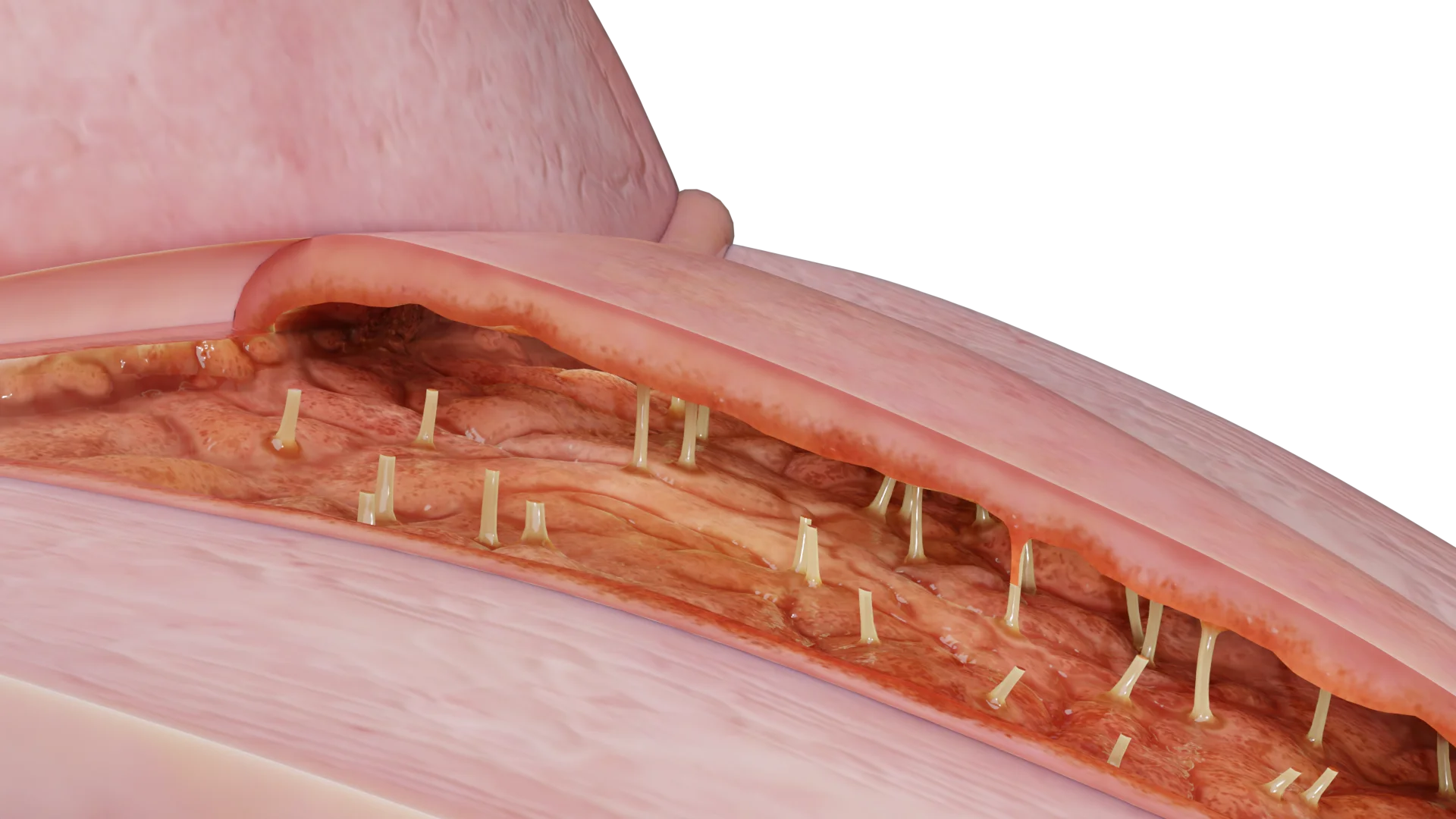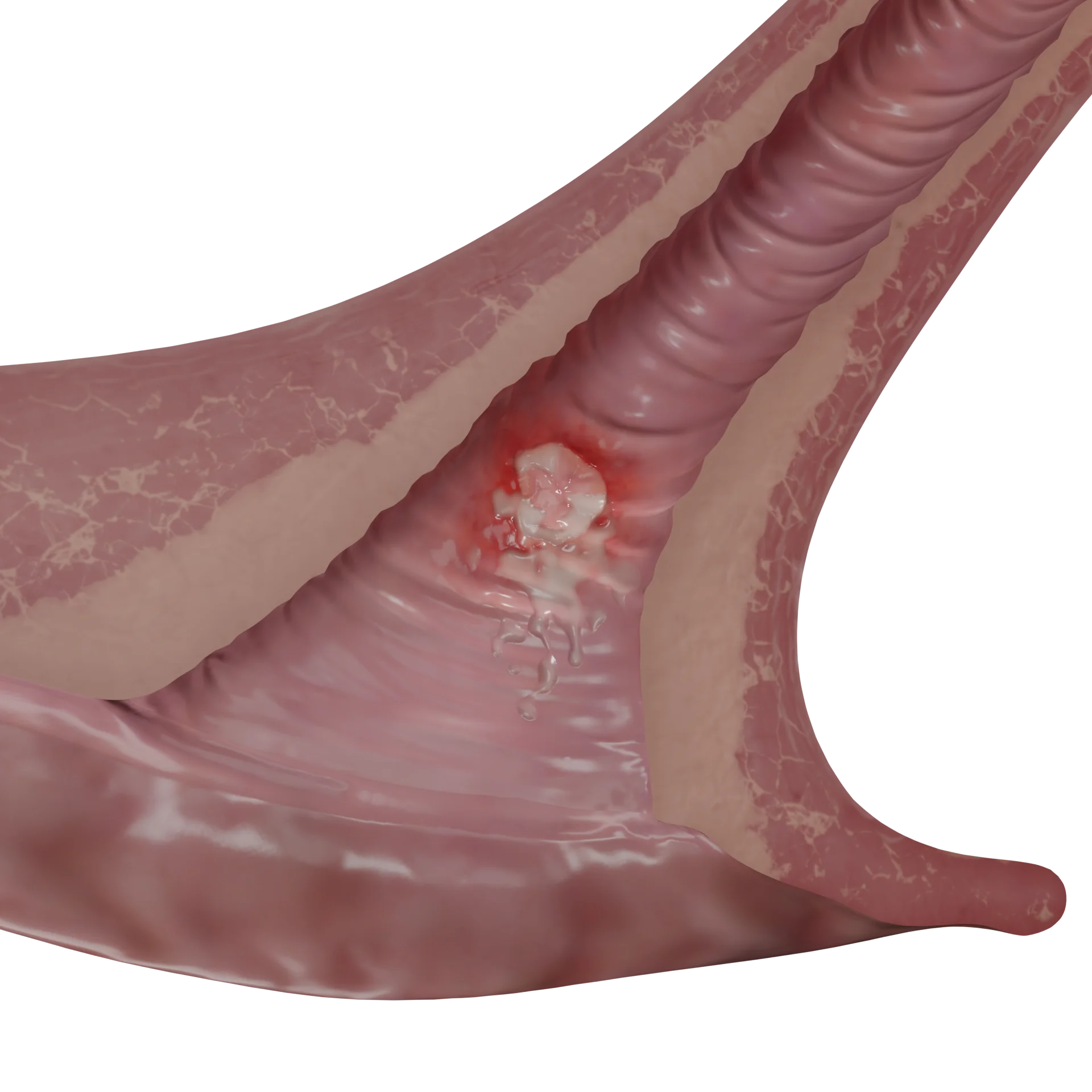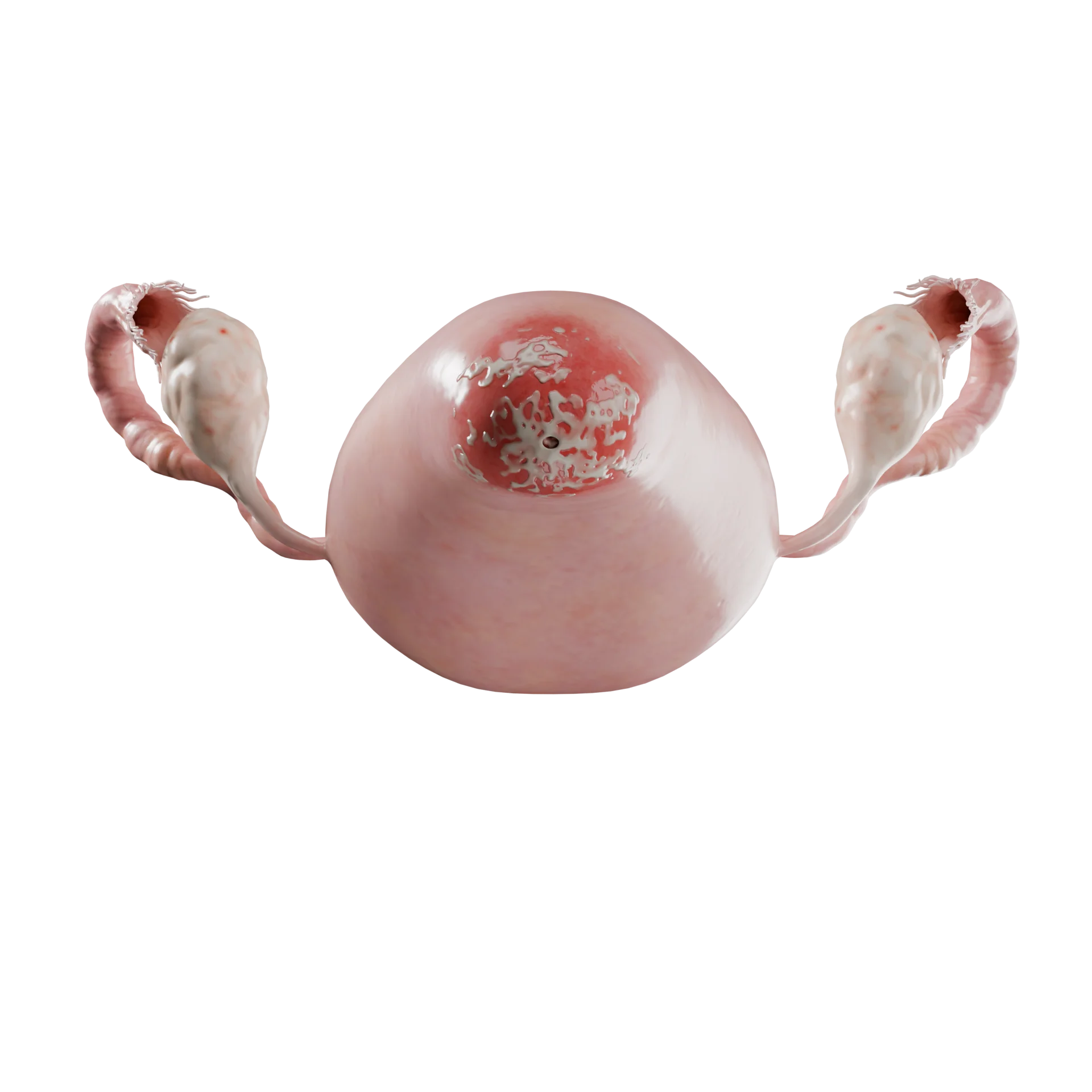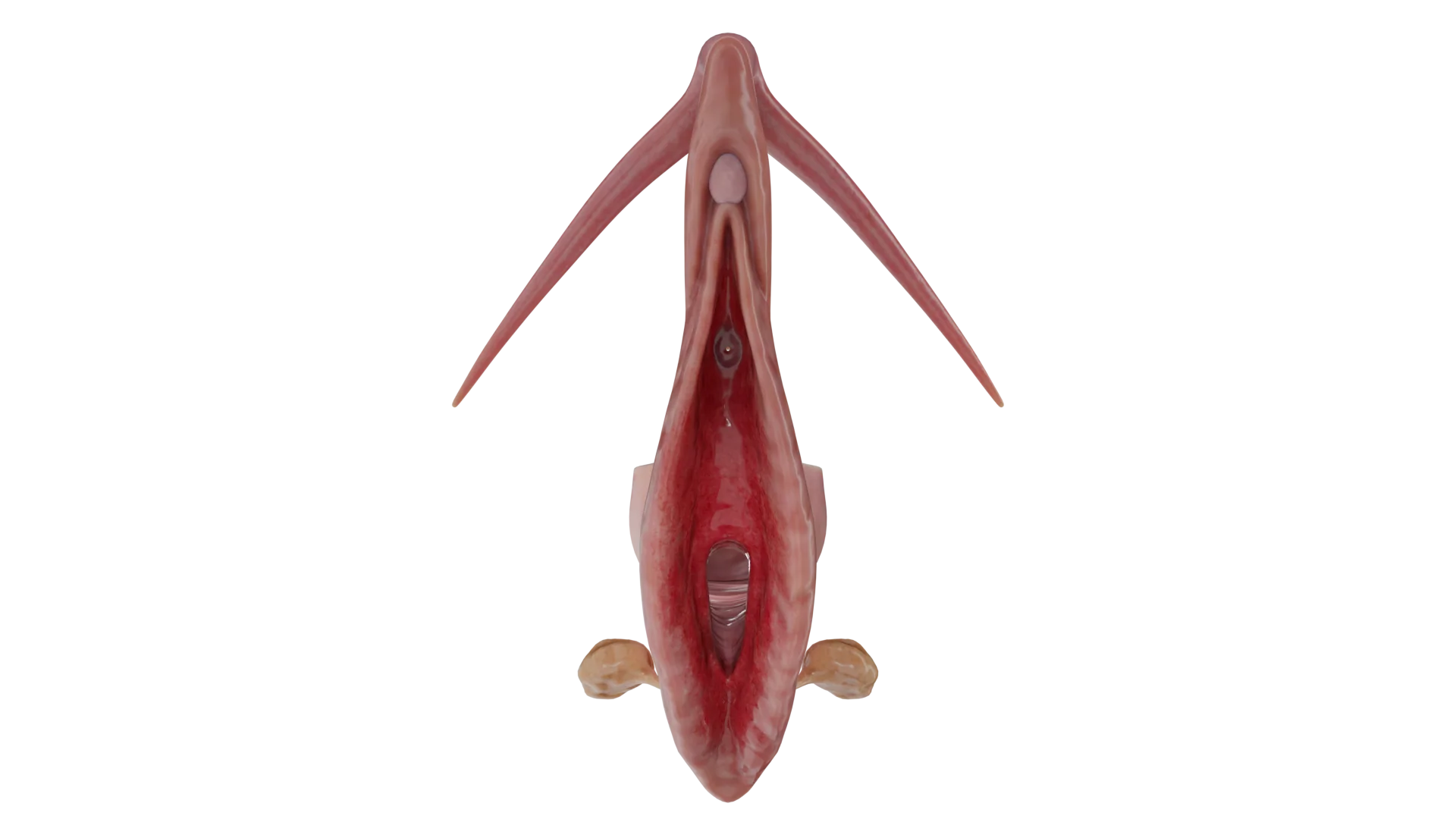
Vulvitis: Predisposing Factors, Clinical Manifestations, Diagnosis, and Treatment
Vulvitis refers to vulvar inflammation affecting the labia, clitoris, mons pubis, and vestibule of the vagina. Clinical manifestations, diagnosis, and treatment.


Anesthesia
Pain management and sedation techniques

Angiology
Arterial and venous pathologies

Cardiology
Acquired and congenital heart diseases

Dentistry
Diseases of teeth, gums, and the oral cavity

Dermatology
Disorders of the skin and subcutaneous tissue

Endocrinology
Disorders of the glands and hormonal imbalance

Gastroenterology
Stomach, intestinal, and digestive diseases

Gynecology
Diseases of female reproductive organs

Hematology
Hematopoiesis and blood-related disorders

Hepatology
Liver, gallbladder, and biliary tract diseases

Histology
Microscopic tissue and cell structures

Infectious diseases
Bacterial, viral, and parasitic infections

Neurology
Brain, spinal cord, and peripheral nerve disorders

Obstetrics
Pregnancy complications and abnormal fetal positions

Oncology
Cancer types, benign and malignant tumors

Ophthalmology
Conditions affecting the eyes and vision

Orthopedics
Bone, joint, and soft tissue disorders

Otorhinolaryngology
Ear, nose, and throat diseases

Pediatrics
Child health, development, and clinical conditions

Physiology
Biological processes within organs and systems

Pulmonology
Lung and respiratory tract diseases

Traumatology
Acute injuries and musculoskeletal trauma

Urology
Urinary tract and male reproductive disorders
Anesthesia
Pain management and sedation techniques
Angiology
Arterial and venous pathologies
Cardiology
Acquired and congenital heart diseases
Dentistry
Diseases of teeth, gums, and the oral cavity
Dermatology
Disorders of the skin and subcutaneous tissue
Endocrinology
Disorders of the glands and hormonal imbalance
Gastroenterology
Stomach, intestinal, and digestive diseases
Gynecology
Diseases of female reproductive organs
Hematology
Hematopoiesis and blood-related disorders
Hepatology
Liver, gallbladder, and biliary tract diseases
Histology
Microscopic tissue and cell structures
Infectious diseases
Bacterial, viral, and parasitic infections
Neurology
Brain, spinal cord, and peripheral nerve disorders
Obstetrics
Pregnancy complications and abnormal fetal positions
Oncology
Cancer types, benign and malignant tumors
Ophthalmology
Conditions affecting the eyes and vision
Orthopedics
Bone, joint, and soft tissue disorders
Otorhinolaryngology
Ear, nose, and throat diseases
Pediatrics
Child health, development, and clinical conditions
Physiology
Biological processes within organs and systems
Pulmonology
Lung and respiratory tract diseases
Traumatology
Acute injuries and musculoskeletal trauma
Urology
Urinary tract and male reproductive disorders

This article is for informational purposes only
The content on this website, including text, graphics, and other materials, is provided for informational purposes only. It is not intended as advice or guidance. Regarding your specific medical condition or treatment, please consult your healthcare provider.
Endometriosis is a chronic inflammatory gynecological condition characterized by the presence of endometrial glands and stroma outside the uterine cavity and myometrium. The exact prevalence of endometriosis is unknown. However, it is estimated to affect approximately 10% of reproductive-age women and up to 50% of women with infertility.
The pathogenesis is complex and involves many factors and processes that occur simultaneously. The development and progression of the disease are influenced by various interactions between the immune system, hormones, genetic factors, local cells, and stem cells.
Several theories have been proposed over the recent years, but none of them can explain all the aspects of endometriosis. Currently, the following theories exist:
Superficial endometriosis is characterized by lesions with less than 5 mm depth of invasion. This is the most common type.
ENZIAN classification distinguishes three stages of endometrioma:
Endometriomas are thick-walled ovarian cysts containing viscous hemorrhagic and proteinaceous material. They are often bilateral (in 50 percent of cases). According to Adamyan classification the following stages are distinguished:
3D-models of endometrioma stages:
 Stage 1 endometrioma
 Stage 2 endometrioma
 Stage 3 endometrioma
 Stage 4 endometrioma
ENZIAN classification distinguishes three stages of endometrioma:
Deep infiltrating endometriosis presents as lesions consisting of fibromuscular hyperplasia on the peritoneum. These lesions are more than 5 mm deep. The ENZIAN classification provides a more detailed description of lesions location. It is based on the location of the infiltrate, the depth of its invasion into the pelvic cavity, as well as infiltration into adjacent abdominal organs and impairment of their function. The notation uses the Latin alphabet and Arabic numerals, where:
The American Society for Reproductive Medicine has developed its own classification system. It assesses the stages of endometriosis using a scoring scale determined by surgical evaluation of the size, location, and severity of lesions, as well as the extent of adhesions. Thus, this scale distinguishes four stages of endometriosis: I (score 1–5), II (score 6–15), III (score 16–40), and IV (score > 40).
The Endometriosis Fertility Index (EFI) is a tool for predicting the likelihood of spontaneous pregnancy in women who have undergone surgical treatment for endometriosis. Developed by G.D. Adamson and D.J. Pasta in 2010, the EFI integrates clinical and surgical parameters to quantitatively assess a patient’s fertility potential.
EFI is calculated based on the following factors:
The total EFI score ranges from 0 to 10. A high score correlates with an increased probability of pregnancy following surgical intervention. Medical literature provides the following interpretation:
The EFI is a valuable tool for:
An advantage of EFI is the integration of clinical and surgical parameters into a single quantitative assessment, which improves predictive accuracy compared to only using the rASRM score. The main limitations of the method are that it can only be applied after surgical intervention and that it does not account for male fertility factors.
Endometriosis may present with a variety of symptoms.
Gynecological symptoms:
Non-gynecological symptoms:
Pain is the primary symptom for many women with endometriosis. The perception of pain can vary in intensity, location, timing, and duration. Additionally, the nature of pain and associated sympathetic and parasympathetic responses may sometimes differ.
The more symptoms a person has, the higher the likelihood of a proper diagnosis. In a prospective study conducted by Forman and colleagues, it was found that only severe dysmenorrhea is a predictor of endometriosis in women who underwent laparoscopic surgery for infertility. This is also supported by other studies suggesting that an increase in the severity of dysmenorrhea may be indicative of endometriosis.
However, there is no clear correlation between the stage of the disease and the severity of symptoms, which significantly complicates the prognosis for each individual patient. The growth, incidence, and progression of endometriotic lesions, cysts, and nodules remain underinvestigated. This is due to an incomplete understanding of the disease’s pathophysiology and the lack of standardized clinical indicators.
Studies show that endometriosis may progress in approximately one-third of women within 6–12 months, while in other patients the disease remains stable or even regresses. However, these reports should be interpreted with caution, as the number of studies is small and they do not account for the biological activity of individual lesions.
Delayed diagnosis of this condition is common. Numerous studies confirm a significant time lag between the first symptoms and the final diagnosis. These studies are based on data that use surgical confirmation as the gold standard.
At present, imaging modalities are preferred for the diagnosis:
Standard transvaginal ultrasound remains the first-line diagnostic method due to real-time assessment, reproducibility, accessibility, low cost and non-invasiveness.
The International Deep Endometriosis Analysis (IDEA) group issued a consensus opinion on systematic ultrasound approaches to improve endometriosis detection. The assessment includes four components: the condition of the uterus and adnexa, presence of deep infiltrative endometriosis, sliding sign, and soft markers. Thus, the components of this specialized ultrasound go beyond the scope of a standard ultrasound procedure.
Superficial peritoneal endometriosis (SPE) has traditionally been described as undetectable by imaging methods, since the size of lesions in the peritoneum is less than 5 mm. Modern equipment and the expertise of specialists make it possible to visualize SPE lesions on the uterosacral ligament (USL), in the parametrium, and in the pouch of Douglas (POD). SPE lesions appear as avascular hypoechoic areas with irregular borders, less than 5 mm deep. In addition, ovarian mobility and site-specific tenderness (SST) are two commonly evaluated soft markers associated with the presence of SPE.
The sensitivity and specificity of transvaginal ultrasound for detecting endometriomas approach 90 percent. Endometriomas vary in appearance depending on the amount of viscous proteinaceous material, blood products, and their degradation. As free fluid is reabsorbed within the cyst, the concentration of proteins and iron increases. Cyclic bleeding contributes to variable echogenicity; however, as bleeding becomes chronic, endometriomas accumulate a large amount of hemorrhagic debris, taking on the classic “ground-glass” appearance.
Early in their development, the sonographic characteristics of endometriomas may be indistinguishable from those of hemorrhagic ovarian cysts. They may be unilocular or multilocular (usually less than 5 chambers), and in 50 percent of cases endometriomas are bilateral. Typically, an endometrioma is a homogeneous cyst with low level of internal echo, no solid parts in its walls and no internal vascularization.
Atypical endometriomas may occur in 50 percent of patients, more commonly in postmenopausal women. Their characteristics include:
During pregnancy, an endometrioma may undergo decidualization and mimic a malignant neoplasm due to the presence of vascularized solid areas.
Lesions appear as hypoechoic wall thickening of the affected structures or as hypo- or isoechoic solid nodules that may vary in size and have smooth or irregular contours. The intestinal form of DIE occurs in approximately 8–12 percent of patients with endometriosis. Endometriosis of the rectum and rectosigmoid region is considered a severe form of DIE, accounting for 70–93 percent of intestinal endometriosis cases.
It is recommended to always include renal ultrasound to assess hydronephrosis and detect urinary tract involvement. Ureteral dilation greater than 6 mm and detection of nodules larger than 17 mm in patients scheduled for surgery due to DIE were associated with ureteral endometriosis in 100 percent of cases.
It should be noted that ultrasound sensitivity varies significantly depending on the location of DIE.
The uterine sliding sign is a real-time dynamic sign assessed with transvaginal ultrasound. There are two distinct steps:
The sliding sign is considered positive if smooth sliding occurs between the posterior uterine/cervical wall and the anterior sigmoid/rectal wall.
If there is no sliding, this is usually associated with the formation of adhesions or nodules that cause fibrosis between the two structures.
Preoperative knowledge of POD obliteration is crucial, as it allows for appropriate surgical planning and patient counseling in collaboration with colorectal surgeons.
On MRI, pelvic organ mobility can also be assessed both directly (using cine loops) and indirectly (by identifying bowel distortion). Direct mobility assessment on MRI has been reported, with an absent MRI sliding sign correlating well with an absent TV-US sliding sign and organ fixation observed during laparoscopy.
Although superficial peritoneal lesions are difficult to visualize using TV-US, there are some soft markers that may help determine the presence or absence of superficial endometriosis.
Ovarian mobility and site-specific tenderness (SST) are two commonly assessed soft markers associated with the presence of SPE. In addition, studies suggest that SST may be a marker of endometriosis of the lateral pelvic peritoneal wall.
Thus, in the absence of hard TV-US markers such as endometrioma/deep endometriosis/POD obliteration, soft markers may provide insight into associated superficial lesions, aiding in the management of chronic pelvic pain.
Ovarian immobility on preoperative TV-US is also strongly associated with the need for complex laparoscopic pelvic sidewall surgery, including ureterolysis and tubo-ovariolysis. Therefore, ovarian immobility on TV-US should be considered not only a red flag for increased risk of pelvic sidewall endometriosis/adhions, but also an indicator of the need for complex surgery and advanced laparoscopic skills.
These methods include rectal contrast administration under TV-US guidance, sonovaginography, and bowel preparation prior to TV-US (diet for 1–3 days, oral laxative the day before the examination, rectal enema). These techniques are mainly used as additional information for surgical planning, particularly to determine the number of affected bowel layers and the distance from the lesion to the anal verge.
MRI in endometriosis complements ultrasound examination. MRI can be used for diagnosis but is most often required for preoperative staging of the disease, both for surgical planning and patient counseling. However, when planning conservative treatment, dynamic ultrasound scanning is usually performed over 6–12 months. MRI can detect endometriotic involvement of the small intestine, sigmoid colon, and/or cecum, as well as endometriosis of the abdominal wall or diaphragm.
Laparoscopic identification of endometriotic lesions with histological confirmation has long been considered the gold standard of diagnosis. However, advances in imaging quality and availability for certain forms of endometriosis, surgical risks, limited access to highly skilled surgeons, and financial implications have relegated this diagnostic method to a secondary role; nevertheless, laparoscopy remains the most reliable diagnostic method.
It should be noted that serum CA-125 measurement has no diagnostic value. Elevated CA-125 levels (i.e., 35 IU/mL or higher) may be seen in endometriosis, but the disease may also be present despite normal CA-125 levels (less than 35 IU/mL).
Find more scientifically accurate content on our social media


The choice of treatment depends on the severity of symptoms, the extent and location of the disease, the desire to get pregnant, and the patient’s age. There are pharmacological and surgical treatment options, as well as combinations of both.
Pharmacological therapy aims to improve symptoms or prevent recurrence after surgical treatment.
Surgical treatment is indicated when symptoms persist or when the side effects of medical therapy outweigh its therapeutic benefits. It is also indicated for patients with anatomical changes in pelvic structures, adhesions, bowel obstruction, or urinary tract obstruction.
Conservative surgery consists of coagulation of endometriotic lesions and restoration of normal pelvic anatomy. Excision of ectopic lesions results in significant reduction of pelvic pain and improvement in fertility.
Despite this, the risk of symptom recurrence after surgery remains high.
Ablation of endometriosis lesions is applicable in women with superficial endometriosis. Evidence supporting ablation versus excision is based on studies involving women with heterogeneous forms of endometriosis.
Some of these studies excluded women with deep endometriosis, in whom ablation is usually not used. The excisional approach is likely more appropriate for deep lesions, as it is not possible to determine whether the entire lesion has been destroyed using ablation.
When performing surgery in women with ovarian endometriomas, cystectomy is preferred over drainage and coagulation, as it reduces the risk of recurrence and pain.
Alternatively, CO₂ laser vaporization may be performed. Both methods have similar recurrence rates within the first year after surgery; however, the rate of early postoperative recurrence may be lower for cystectomy.
When performing surgery for ovarian endometrioma, special care must be taken to minimize damage to healthy ovarian tissue.
Definitive surgical treatment includes hysterectomy with or without removal of the ovaries, depending on the patient’s age.
Hysterectomy with bilateral salpingo-oophorectomy and excision of all endometriotic lesions has shown a cure rate of 90 percent.
1. What is uterine endometriosis in women?
2. What causes endometriosis?
3. What are the first symptoms of endometriosis?
4. How is endometriosis diagnosed?
5. Why is endometriosis dangerous?
6. Can a woman with endometriosis get pregnant?
7. Will endometriosis disappear during menopause?
References
1.
VOKA 3D Anatomy & Pathology – Complete Anatomy and Pathology 3D Atlas [Internet]. VOKA 3D Anatomy & Pathology.
Available from: https://catalog.voka.io/
2.
Becker CM, Bokor A, Heikinheimo O, Horne A, Jansen F, Kiesel L, et al; ESHRE Endometriosis Guideline Group. ESHRE guideline: endometriosis. Hum Reprod Open. 2022;2022(2):hoac009. doi: 10.1093/hropen/hoac009. PMID: 35350465; PMCID: PMC8951218.
3.
Practice bulletin no. 114: management of endometriosis. Obstet Gynecol. 2010 Jul;116(1):223–236. doi:10.1097/AOG.0b013e3181e8b073. PMID: 20567196.
4.
Practice Committee of the American Society for Reproductive Medicine. Endometriosis and infertility: a committee opinion. Fertil Steril. 2012 Sep;98(3):591–598. doi:10.1016/j.fertnstert.2012.05.031. Epub 2012 Jun 15. PMID: 22704630.
5.
International Working Group of AAGL, ESGE, ESHRE and WES, Tomassetti C, Johnson NP, Petrozza J, Abrao MS, Einarsson JI, et al. An international terminology for endometriosis. Hum Reprod Open [Internet]. 2021 Jul 13;2021(4):hoab029.
Available from: https://doi.org/10.1093/hropen/hoab029
6.
International Federation of Gynecology and Obstetrics (FIGO). FIGO recommendations on endometriosis. Int J Gynaecol Obstet. 2021;155(1):1-6. doi: 10.1002/ijgo.13860.
7.
Revised American Society for Reproductive Medicine. Revised classification of endometriosis. Fertil Steril. 1997;67(5):817-821. doi: 10.1016/S0015-0282(97)81391-X.
8.
Haas D, et al. The ENZIAN classification for deep endometriosis. Arch Gynecol Obstet. 2021;303(1):1-7. doi: 10.1007/s00404-020-05839-1.
9.
Adamson GD, Pasta DJ. Endometriosis fertility index: the new, validated endometriosis staging system. Fertil Steril. 2010 Oct;94(5):1609–1615. doi:10.1016/j.fertnstert.2009.09.035. PMID: 19931076.
10.
Zondervan KT, Becker CM, Missmer SA. Endometriosis. N Engl J Med. 2020 Mar 26;382(13):1244–1256. doi:10.1056/NEJMra1810764. PMID: 32212520.
11.
Vannuccini S, Petraglia F. Recent advances in understanding the pathogenesis of endometriosis. F1000Res. 2019;8:F1000 Faculty Rev-345. doi: 10.12688/f1000research.14842.1.
12.
Nisenblat V, et al. Combination of non-invasive tests for the diagnosis of endometriosis. Cochrane Database Syst Rev. 2016;7:CD012281. doi: 10.1002/14651858.CD012281.
13.
Dunselman GAJ, et al. ESHRE guideline: management of women with endometriosis. Hum Reprod. 29(3), pp. 400–412, 2014. doi:10.1093/humrep/det457.
14.
Johnson NP, et al. Surgical treatment for endometriosis-associated infertility. Cochrane Database Syst Rev. 2013;1:CD003678. doi: 10.1002/14651858.CD003678.pub3.
Loading test 6 questions
Table of Contents



Summarize article with AI
Choose your preferable AI assistant:
Link successfully copied to clipboard
Thank you!
Your message is sent!
Our experts will contact you shortly. If you have any additional questions, please contact us at info@voka.io