Vulvitis: Predisposing Factors, Clinical Manifestations, Diagnosis, and Treatment
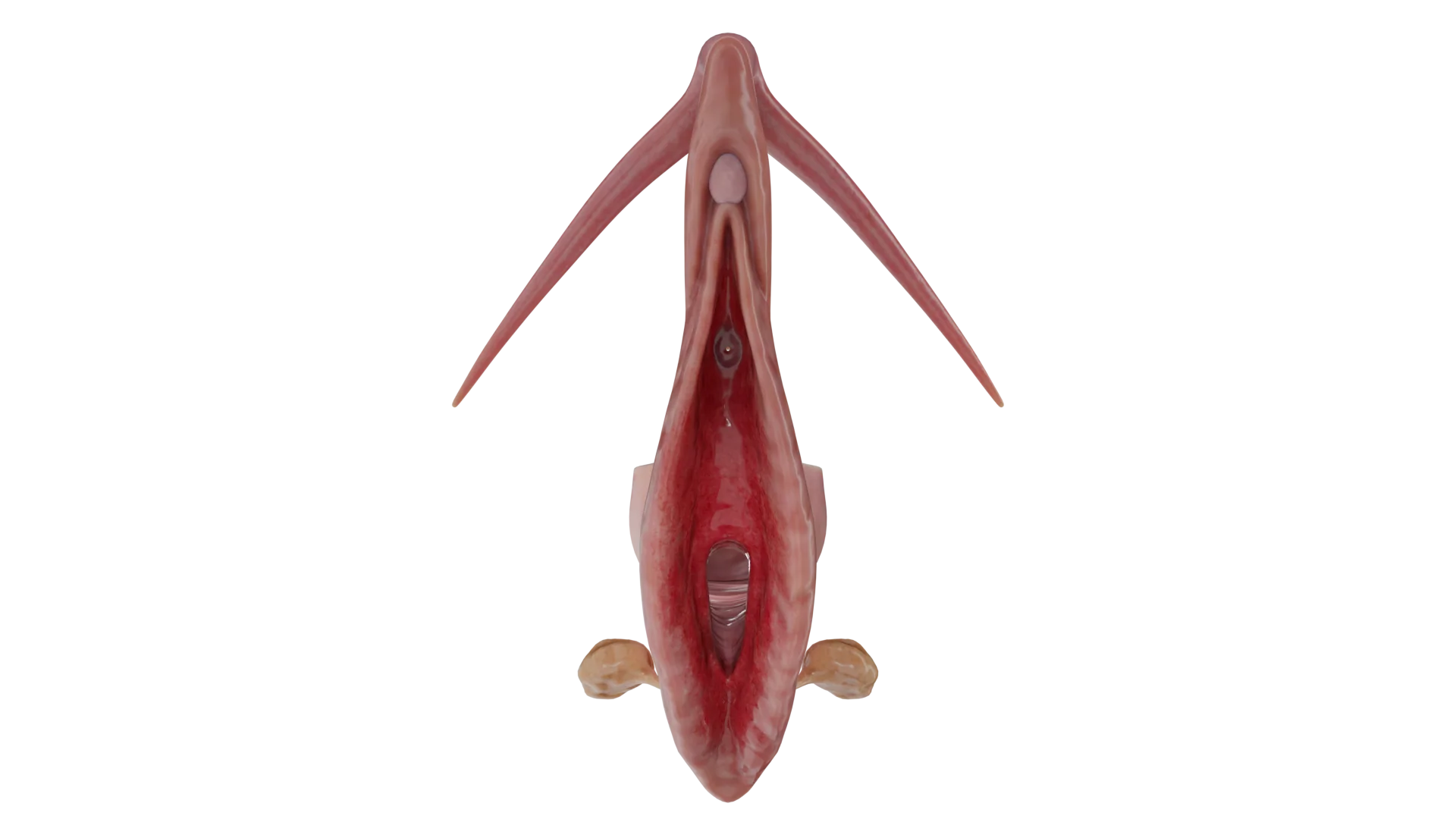
Vulvitis refers to vulvar inflammation affecting the labia, clitoris, mons pubis, and vestibule of the vagina. Clinical manifestations, diagnosis, and treatment.


Anesthesia
Pain management and sedation techniques

Angiology
Arterial and venous pathologies

Cardiology
Acquired and congenital heart diseases

Dentistry
Diseases of teeth, gums, and the oral cavity

Dermatology
Disorders of the skin and subcutaneous tissue

Endocrinology
Disorders of the glands and hormonal imbalance

Gastroenterology
Stomach, intestinal, and digestive diseases

Gynecology
Diseases of female reproductive organs

Hepatology
Liver, gallbladder, and biliary tract diseases

Neurology
Brain, spinal cord, and peripheral nerve disorders

Obstetrics
Pregnancy complications and abnormal fetal positions

Oncology
Cancer types, benign and malignant tumors

Ophthalmology
Conditions affecting the eyes and vision

Otorhinolaryngology
Ear, nose, and throat diseases

Pediatrics
Child health, development, and clinical conditions

Physiology
Biological processes within organs and systems

Pulmonology
Lung and respiratory tract diseases

Traumatology
Acute injuries and musculoskeletal trauma

Urology
Urinary tract and male reproductive disorders
Anesthesia
Pain management and sedation techniques
Angiology
Arterial and venous pathologies
Cardiology
Acquired and congenital heart diseases
Dentistry
Diseases of teeth, gums, and the oral cavity
Dermatology
Disorders of the skin and subcutaneous tissue
Endocrinology
Disorders of the glands and hormonal imbalance
Gastroenterology
Stomach, intestinal, and digestive diseases
Gynecology
Diseases of female reproductive organs
Hepatology
Liver, gallbladder, and biliary tract diseases
Neurology
Brain, spinal cord, and peripheral nerve disorders
Obstetrics
Pregnancy complications and abnormal fetal positions
Oncology
Cancer types, benign and malignant tumors
Ophthalmology
Conditions affecting the eyes and vision
Otorhinolaryngology
Ear, nose, and throat diseases
Pediatrics
Child health, development, and clinical conditions
Physiology
Biological processes within organs and systems
Pulmonology
Lung and respiratory tract diseases
Traumatology
Acute injuries and musculoskeletal trauma
Urology
Urinary tract and male reproductive disorders

This article is for informational purposes only
The content on this website, including text, graphics, and other materials, is provided for informational purposes only. It is not intended as advice or guidance. Regarding your specific medical condition or treatment, please consult your healthcare provider.
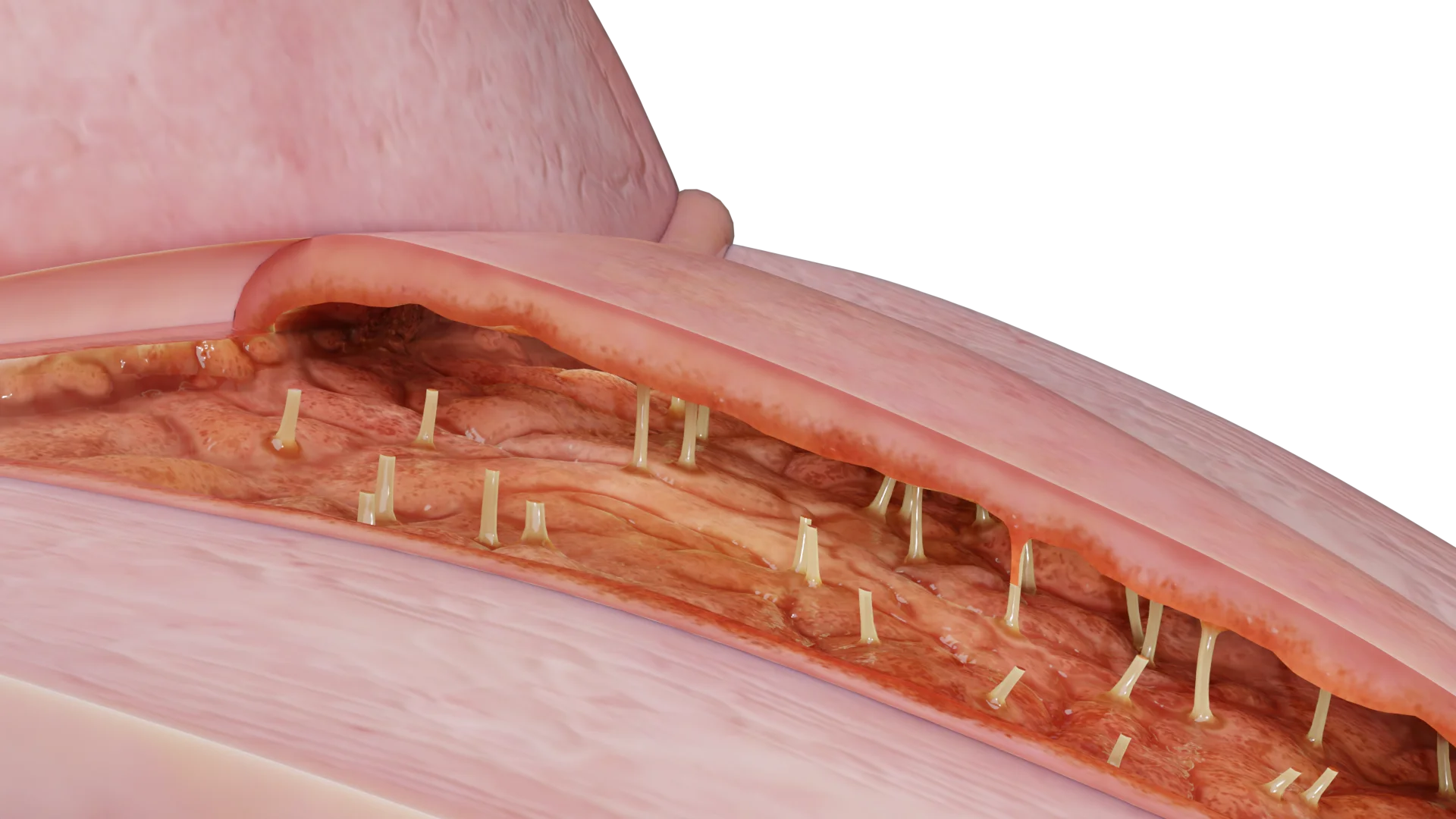
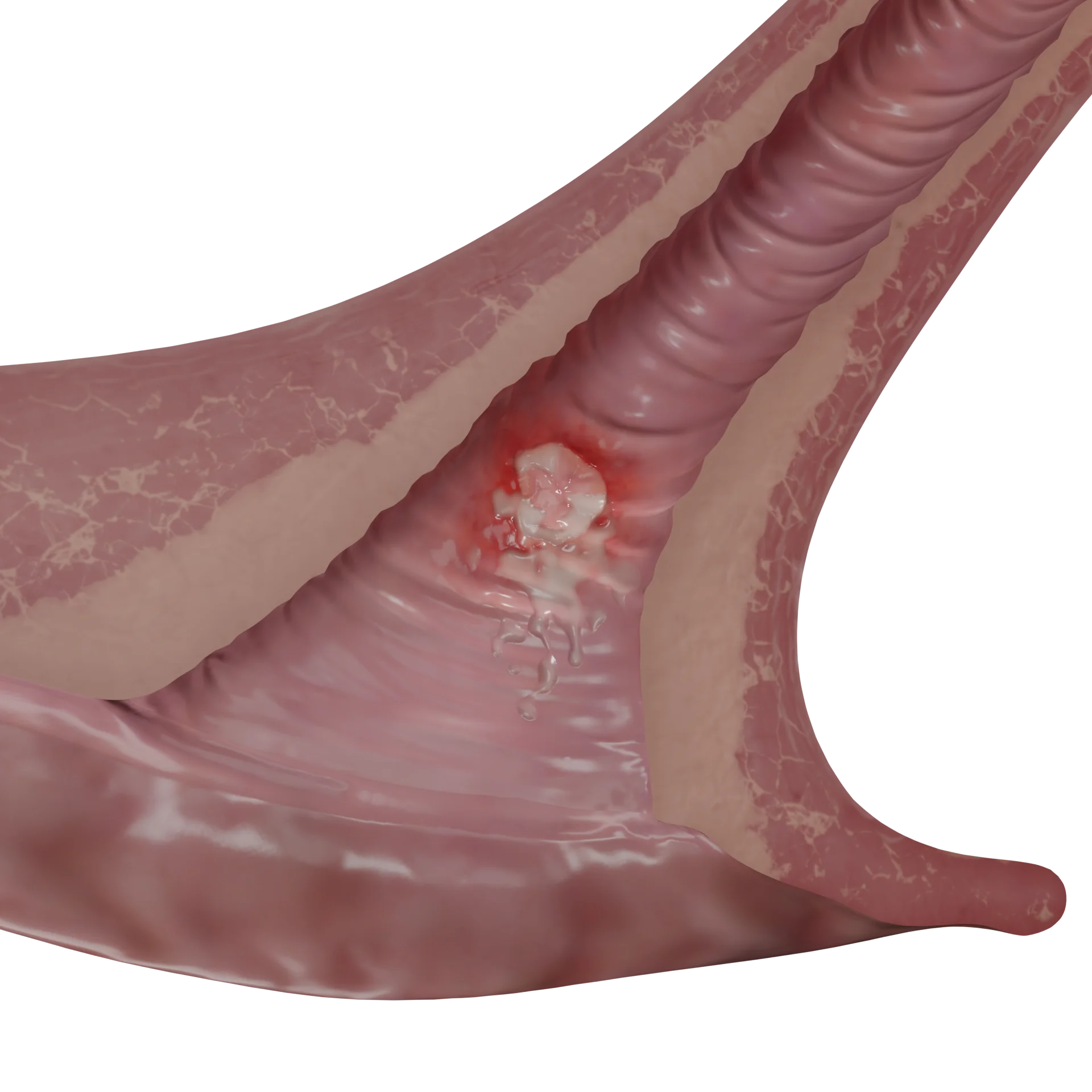
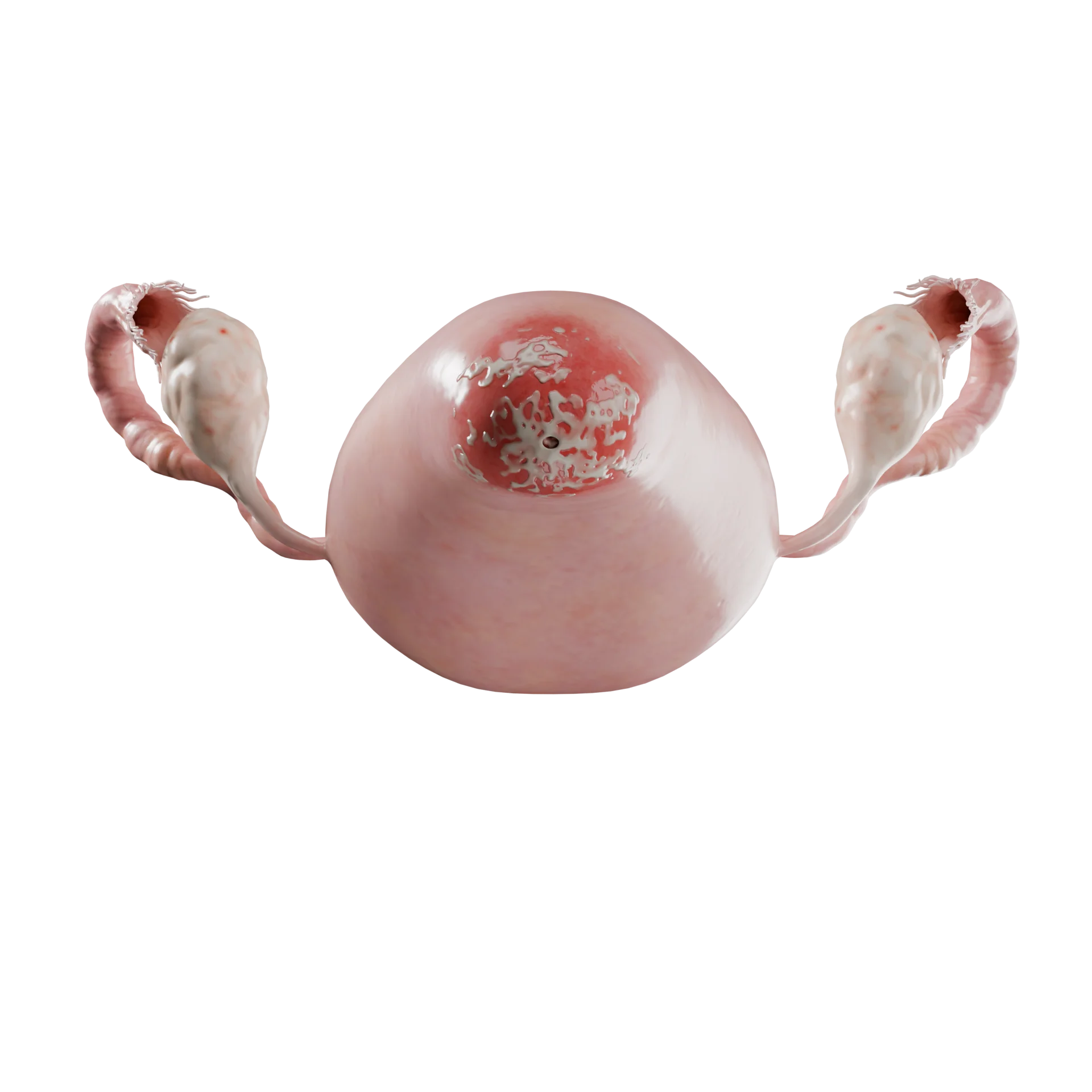
Vaginal candidiasis (candidal vaginitis or thrush) is an inflammation of the vaginal mucosa, typically caused by Candida albicans, but may also be triggered by other species of Candida or yeasts. It is estimated that 75% of women experience at least one episode of candidal vaginitis, while 40%-45% have two or more episodes. Approximately 10%-20% of women encounter complicated candidal vaginitis that requires special diagnostic and therapeutic efforts.
The patient experiences itching, pain, swelling of the vaginal mucosa, and hyperemia, along with thick and heavy vaginal discharge. Vulvar edema, fissures, excoriations, and dysuria may be present. Based on clinical manifestations, microbiological investigation, the patient’s health status, and response to therapy, candidal vaginitis can be classified as uncomplicated or complicated.

Recurrent candidal vaginitis is diagnosed with three or more episodes of symptomatic candidal vaginitis per year. Recurrent candidal vaginitis may either be idiopathic or secondary (associated with frequent antibiotic use, diabetes, etc.). The pathogenesis of recurrence is poorly understood, and most women do not present with apparent predisposing or underlying conditions. C. glabrata and other non-albicans Candida species are found in 10–20% of women with recurrent candidal vaginitis.
A diagnosis can be made in a woman who has signs and symptoms of vaginitis, with microscopic examination of vaginal discharge demonstrating buds, hyphae, or pseudohyphae. Candida glabrata does not form pseudohyphae or hyphae, complicating diagnosis. Candidal vaginitis does not alter the pH of the vagina (it remains at <4.5). Applying 10% KOH solution to wet preparations enhances visualization of yeasts and mycelium by breaking down cellular material, which may obscure yeast or pseudohyphae. For those with negative microscopy results but who present with signs or symptoms, a culture of vaginal discharges for Candida should be considered. If culture testing is not feasible, empirical treatment may be considered as well. The identification of Candida cultures in the absence of symptoms does not warrant treatment, as Candida and other yeasts constitute the vaginal microbiome in approximately 10–20% of women.
Examinations with appropriate testing are crucial to determine other causes of vaginal symptoms, including sexually transmitted infections, malignant lesions of the vulva, vagina, and cervix, pelvic inflammatory disease, vulvovaginal herpes, vaginal fistulas, trauma, and vulvovaginal dermatoses.
Short-term local medications (e.g., single-dose or regimens lasting 1–3 days) effectively treat uncomplicated candidal vaginitis. Treatment with azoles relieves symptoms in 80–90% of patients completing therapy.
Medications for the treatment of vaginal candidiasis
| Medication | Formulation | Dosage | Method of application |
|---|---|---|---|
| Clotrimazole | 1% cream | 5 g | Intravaginally |
| Clotrimazole | 2% cream | 5 g | Intravaginally |
| Miconazole | 2% cream | 5 g | Intravaginally |
| Miconazole | 4% cream | 5 g | Intravaginally |
| Miconazole | Vaginal suppository | 100 mg | Intravaginally |
| Miconazole | Vaginal suppository | 200 mg | Intravaginally |
| Miconazole | Vaginal suppository | 1200 mg | Intravaginally |
| Tioconazole | 6.5% ointment | 5 g | Intravaginally |
| Butoconazole | 2% cream (bioadhesive) | 5 g | Intravaginally |
| Terconazole | 0.4% cream | 5 g | Intravaginally |
| Terconazole | 0.8% cream | 5 g | Intravaginally |
| Terconazole | Vaginal suppository | 80 mg | Intravaginally |
| Fluconazole | Tablets | 150 mg | Orally |
Optimal treatment for these types of vaginitis remains unknown, although longer therapy durations (7–14 days) with a regimen of fluconazole and azole (either oral or local) are recommended. For recurrent cases, 600 mg of boric acid in a gelatin capsule may be administered vaginally. This treatment regimen leads to eradication in 70% of cases.
Find more scientifically accurate content on our social media


Most episodes of recurrent candidal vaginitis caused by C. albicans respond well to short-term oral or local azole therapy. However, to maintain clinical control, a longer duration of initial therapy is recommended: 7–14 days of local therapy or an oral dose of fluconazole (100 mg, 150 mg, or 200 mg). To maintain remission, oral fluconazole (dose 100 mg, 150 mg, or 200 mg) is taken weekly for 6 months. If this regimen is not feasible, alternative periodic local treatment can be considered.
Pregnant women are recommended only local azole therapy applied for 7 days.
1. What is thrush, and how does it manifest?
2. What are the main causes of thrush?
3. How to distinguish thrush from other gynecological diseases?
4. What treatment methods are most effective?
5. What are the risks of thrush during pregnancy?
6. Is thrush a sexually transmitted disease?
References
1.
VOKA 3D Anatomy & Pathology – Complete Anatomy and Pathology 3D Atlas [Internet]. VOKA 3D Anatomy & Pathology.
Available from: https://catalog.voka.io/
2.
Workowski KA, Bachmann LH, Chan PA, Johnston CM, Muzny CA, Park I, Reno H, Zenilman JM, Bolan GA. Sexually Transmitted Infections Treatment Guidelines, 2021. MMWR Recommendations and Reports [Internet]. 2021 Jul 22;70(4):1–187.
Available from: https://doi.org/10.15585/mmwr.rr7004a1
3.
Voidaleski MF, De Fátima Costa F, De Hoog GS, Gomes RR, Vicente VA. Metagenomics reveals an abundance of black yeast‐like fungi in the skin microbiome. Mycoses [Internet]. 2023 Feb 6;66(6):488–496.
Available from: https://doi.org/10.1111/myc.13574
4.
Gonçalves B, Ferreira C, Alves CT, Henriques M, Azeredo J, Silva S. Vulvovaginal candidiasis: Epidemiology, microbiology and risk factors. Crit Rev Microbiol. 2022;48(2):195-214. doi: 10.1080/1040841X.2021.1962801.
5.
Heath PT, Galiza EP, Baxter DN, Boffito M, Browne D, Burns F, et al. Safety and efficacy of the NVX-COV2373 Coronavirus Disease 2019 vaccine at completion of the Placebo-Controlled Phase of a randomized controlled trial. Clin Infect Dis [Internet]. 2022 Oct 10;76(3):398–407.
Available from: https://doi.org/10.1093/cid/ciac803
6.
Sobel JD, Mitchell C, Nyirjesy P, Foxman B. Treatment of vulvovaginal candidiasis: Executive summary of the 2023 clinical practice guideline. Obstet Gynecol [Internet]. 2023 May;141(5):927-935.
Available from: https://doi.org/10.1097/AOG.0000000000005154
7.
The European Society for the Study of Vulvovaginal Disease. Evidence-based guidelines for the management of vulvovaginal candidiasis. J Low Genit Tract Dis [Internet]. 2022 Jan;26(1):1-15.
Available from: https://doi.org/10.1097/LGT.0000000000000673
8.
World Health Organization. WHO guideline for the treatment of vaginal discharge. WHO Press. 2023.
Loading test 6 questions
Table of Contents




Summarize article with AI
Choose your preferable AI assistant:
Link successfully copied to clipboard
Thank you!
Your message is sent!
Our experts will contact you shortly. If you have any additional questions, please contact us at info@voka.io