Vulvitis: Predisposing Factors, Clinical Manifestations, Diagnosis, and Treatment
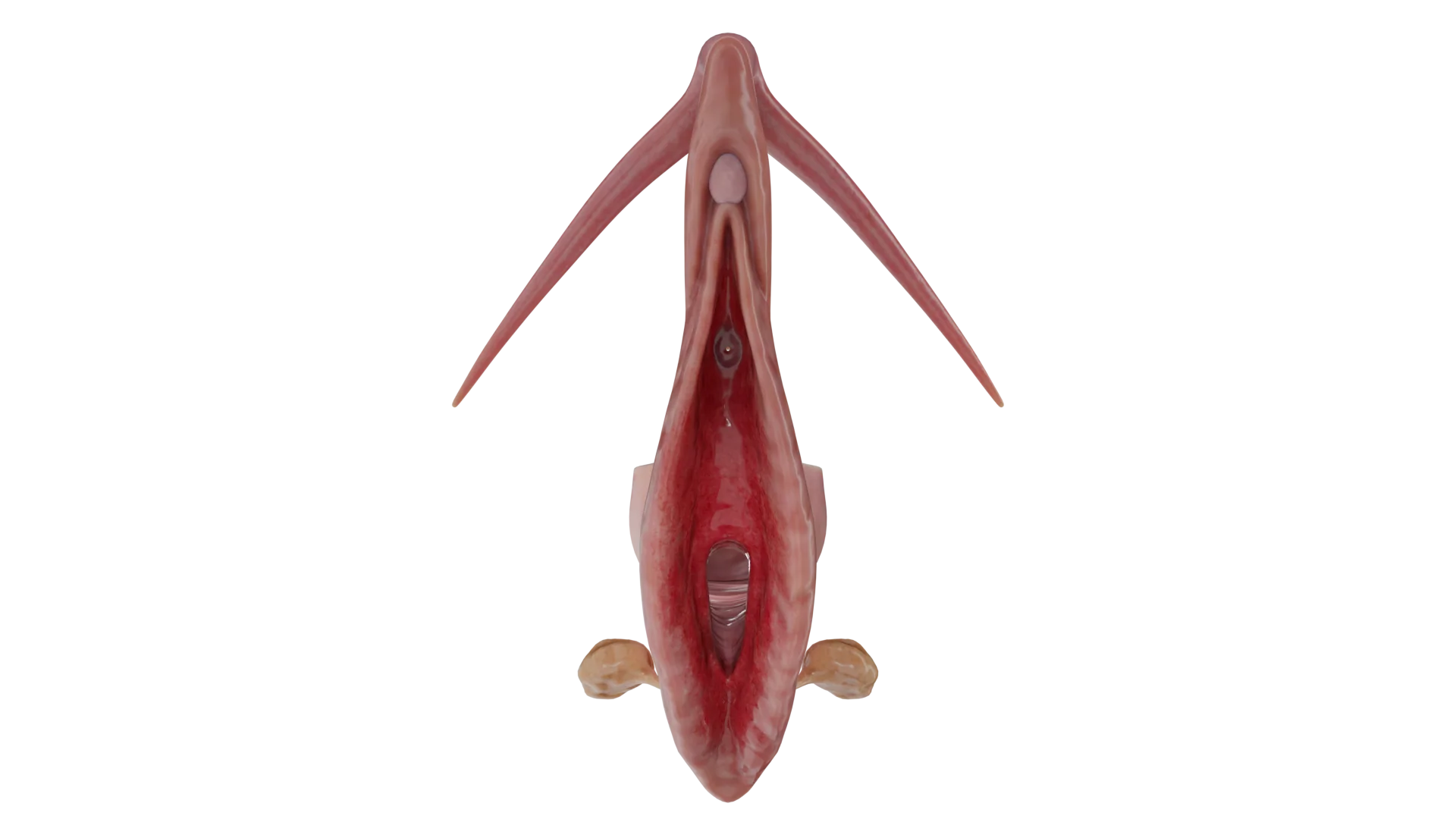
Vulvitis refers to vulvar inflammation affecting the labia, clitoris, mons pubis, and vestibule of the vagina. Clinical manifestations, diagnosis, and treatment.


Anesthesia
Pain management and sedation techniques

Angiology
Arterial and venous pathologies

Cardiology
Acquired and congenital heart diseases

Dentistry
Diseases of teeth, gums, and the oral cavity

Dermatology
Disorders of the skin and subcutaneous tissue

Endocrinology
Disorders of the glands and hormonal imbalance

Gastroenterology
Stomach, intestinal, and digestive diseases

Gynecology
Diseases of female reproductive organs

Hepatology
Liver, gallbladder, and biliary tract diseases

Neurology
Brain, spinal cord, and peripheral nerve disorders

Obstetrics
Pregnancy complications and abnormal fetal positions

Oncology
Cancer types, benign and malignant tumors

Ophthalmology
Conditions affecting the eyes and vision

Otorhinolaryngology
Ear, nose, and throat diseases

Pediatrics
Child health, development, and clinical conditions

Physiology
Biological processes within organs and systems

Pulmonology
Lung and respiratory tract diseases

Traumatology
Acute injuries and musculoskeletal trauma

Urology
Urinary tract and male reproductive disorders
Anesthesia
Pain management and sedation techniques
Angiology
Arterial and venous pathologies
Cardiology
Acquired and congenital heart diseases
Dentistry
Diseases of teeth, gums, and the oral cavity
Dermatology
Disorders of the skin and subcutaneous tissue
Endocrinology
Disorders of the glands and hormonal imbalance
Gastroenterology
Stomach, intestinal, and digestive diseases
Gynecology
Diseases of female reproductive organs
Hepatology
Liver, gallbladder, and biliary tract diseases
Neurology
Brain, spinal cord, and peripheral nerve disorders
Obstetrics
Pregnancy complications and abnormal fetal positions
Oncology
Cancer types, benign and malignant tumors
Ophthalmology
Conditions affecting the eyes and vision
Otorhinolaryngology
Ear, nose, and throat diseases
Pediatrics
Child health, development, and clinical conditions
Physiology
Biological processes within organs and systems
Pulmonology
Lung and respiratory tract diseases
Traumatology
Acute injuries and musculoskeletal trauma
Urology
Urinary tract and male reproductive disorders

This article is for informational purposes only
The content on this website, including text, graphics, and other materials, is provided for informational purposes only. It is not intended as advice or guidance. Regarding your specific medical condition or treatment, please consult your healthcare provider.
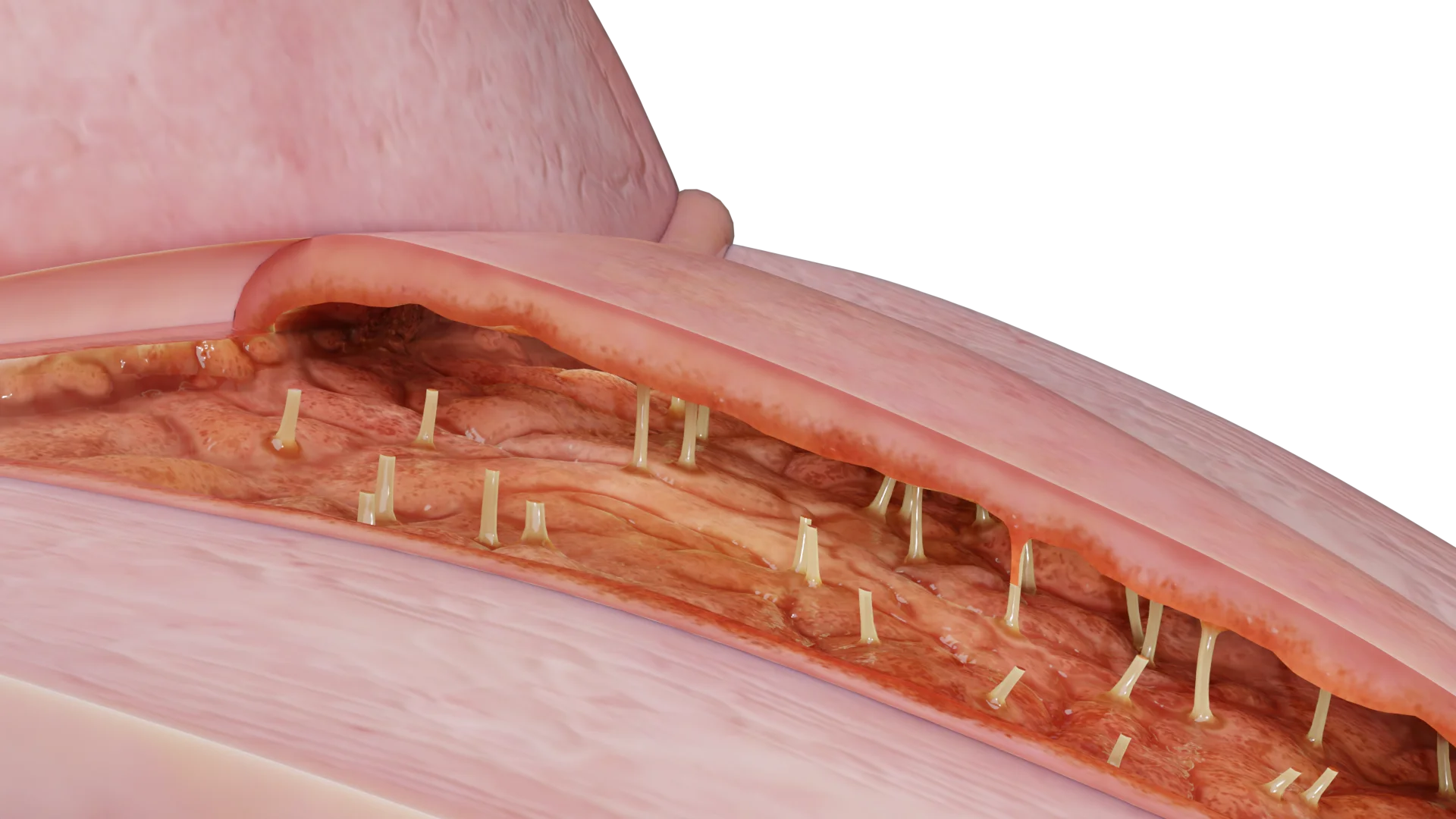
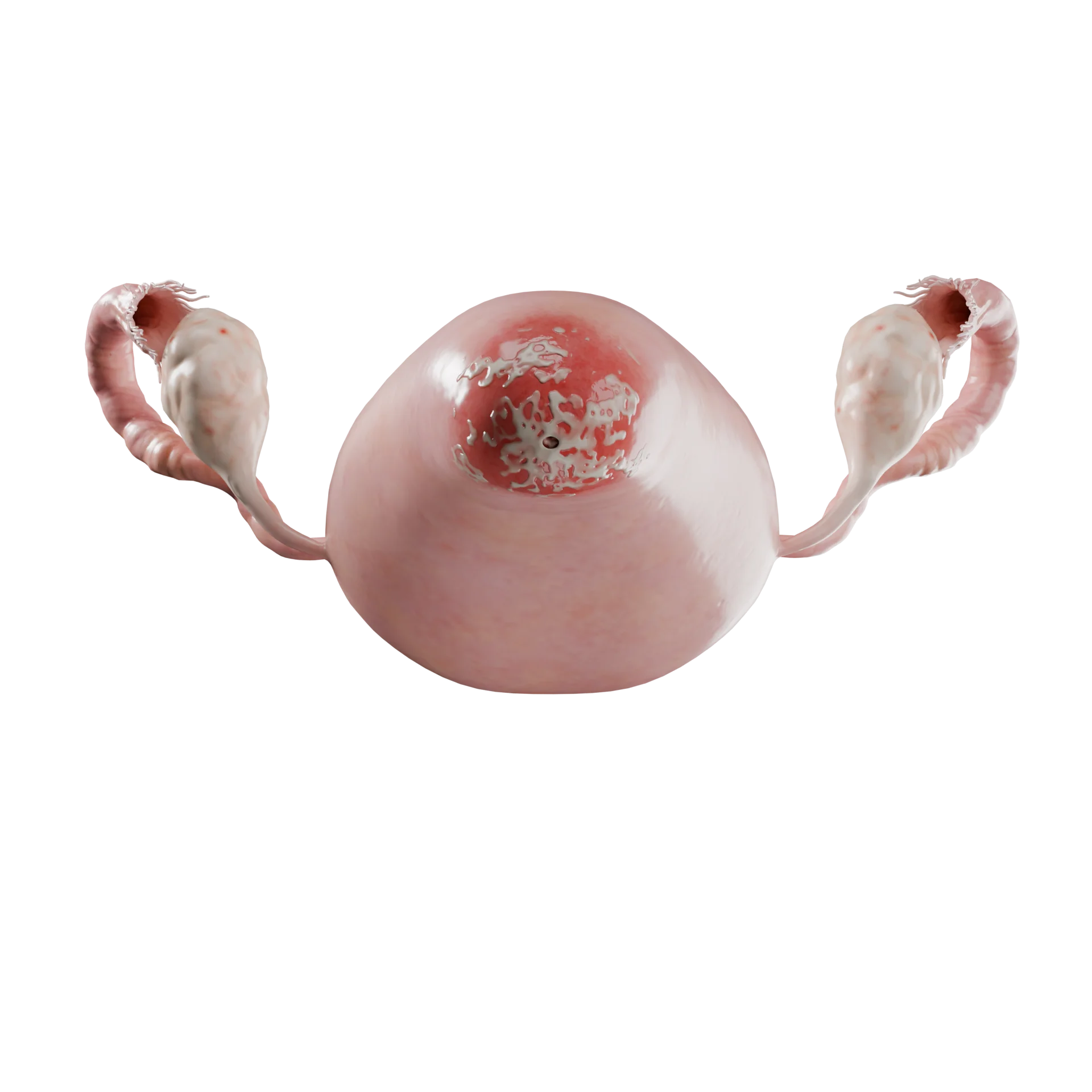
Syphilis is a systemic disease in humans caused by Treponema pallidum. Syphilitic vaginitis is a manifestation of early primary genital syphilis.
Incubation period: 10-90 days between infection and chancre appearance.
Upon a pelvic speculum examination, a single superficial chancre is revealed, typically painless; its base is clear, and the discharges are transparent. A chancre may be associated with regional lymphadenopathy. Atypical chancres may appear multiple, painful, deep, and indistinguishable from a herpetic ulcer. Any anogenital ulcer is to be considered syphilitic until proven otherwise.

To confirm syphilitic vaginitis, direct and indirect (serological) diagnostic methods are used.
These methods aim to detect Treponema pallidum in lesion samples:
Direct methods are most effective in the early stages (primary syphilis) when serological tests may still be negative.
To confirm syphilis, it is mandatory to use two types of tests:
| Test type | Method examples | Description |
|---|---|---|
| Non-treponemal (screening) | Venereal Disease Research Laboratory (VDRL), Rapid Plasma Reagin (RPR), Toluidine Red Unheated Serum Test (TRUST), Unheated Serum Reagins (USR) | They help to detect anti-lipid antibodies, appearing 1–4 weeks after chancre formation. Results can be false positive (with autoimmune diseases, pregnancy, etc.) |
| Treponemal (confirmatory) | Enzyme-Linked Immunosorbent Assay (ELISA), Treponema Pallidum Hemagglutination Assay (TPHA), Direct Immunofluorescence (DIF), Immunoblot, Chemiluminescent Immunoassay (CLIA), and Treponema Pallidum Immobilization (TPI) test | Help to detect specific antibodies to T. pallidum. Results remain positive even after treatment |
Note:
Parenteral penicillin G is the preferred agent for treating patients at all syphilis stages. The initial dose for adults and adolescents with early syphilis, according to the WHO Guidelines for the management of sexually transmitted infection (STIs), is benzathine benzylpenicillin 2.4 million units administered intramuscularly once.
The medication, its dosage, and the duration of therapy may vary according to the stage of disease and clinical presentation. To achieve a therapeutic effect, it is necessary to ensure a treponemicidal level of antimicrobials in the serum.
Characteristics of treponemicidal concentration:
| Parameter | Value |
|---|---|
| Minimal treponemicidal level | > 0.018 mg/L |
| Effective concentration in vitro | 0.36 mg/L |
| Recommended therapy duration | At least 7-10 days |
Longer treatment is necessary for chronic infection, especially in late stages of syphilis. This is due to the slower division of treponemes, which reduces the efficacy of short courses and increases the risk of relapses.
To observe disease progression and assess treatment effect, VDRL or RPR quantitative serological tests are used. The quantitative titer must be documented on the first day of treatment as a baseline level.
Recommended follow-up schedule:
It is important to use the same test in the same laboratory for result comparability. Follow-up continues until the test result becomes negative or a stable low titer is achieved (1:1–1:4 over 1 year in the absence of re-infection risk).
Patients with persistently high titers should be monitored long-term.
Find more scientifically accurate content on our social media


In pregnant women with untreated early syphilis, the risk of intrauterine fetal infection is 70–100%. Up to one-third of cases may result in stillbirth.
Fetal infection most often occurs late in pregnancy (after 28 weeks). Treatment before this term usually prevents complications in the fetus.
Parenteral penicillin G is the only medication proven effective in treating syphilis during pregnancy.
1. How does syphilitic vaginitis differ from other STIs?
2. Can a syphilitic chancre cause pain?
3. Why is the combination of two serological tests important in diagnosis?
4. Can syphilis be treated during pregnancy?
References
1.
VOKA 3D Anatomy & Pathology – Complete Anatomy and Pathology 3D Atlas [Internet]. VOKA 3D Anatomy & Pathology.
Available from: https://catalog.voka.io/
2.
Towns JM, Leslie DE, Denham I, Azzato F, Fairley CK, Chen M. Painful and multiple anogenital lesions are common in men with Treponema pallidum PCR-positive primary syphilis without herpes simplex virus coinfection: a cross-sectional clinic-based study. SexTransm Infect 2016;92:110–5. PMID:26378262.
3.
Theel ES, Katz SS, Pillay A. Molecular and direct detection tests for Treponema pallidum subspecies pallidum: a review of the literature, 1964–2017. Clin Infect Dis 2020;71(Suppl 1):S4–12. PMID:32578865.
4.
Tuddenham S, Katz SS, Ghanem KG. Syphilis laboratory guidelines: performance characteristics of nontreponemal antibody tests. ClinInfect Dis 2020;71(Suppl 1):S21–42. PMID:32578862.
5.
Park IU, Tran A, Pereira L, Fakile Y. Sensitivity and specificity of treponemal-specific tests for the diagnosis of syphilis. Clin Infect Dis 2020;71(Suppl 1):S13–20. PMID:32578866.
6.
Bristow CC, Klausner JD, Tran A. Clinical test performance of a rapid point-of-care syphilis treponemal antibody test: a systematic review and meta-analysis. Clin Infect Dis 2020;71(Suppl 1):S52–7. PMID:32578863.
7.
Nandwani R, Evans DT. Are you sure it’s syphilis? A review of false positive serology. Int J STD AIDS 1995;6:241–8. PMID:7548285.
8.
Romanowski B, Sutherland R, Fick GH, Mooney D, Love EJ. Serologic response to treatment of infectious syphilis. Ann Intern Med 1991;114:1005–9. PMID:2029095.
9.
CDC. Syphilis testing algorithms using treponemal tests for initial screening—four laboratories, New York City, 2005–2006. MMWR Morb Mortal Wkly Rep 2008;57:872–5. PMID:18701877.
10.
CDC. Discordant results from reverse sequence syphilis screening—five laboratories, United States, 2006–2010. MMWR Morb Mortal Wkly Rep 2011;60:133–7. PMID:21307823.
11.
Ortiz DA, Shukla MR, Loeffelholz MJ. The traditional or reverse algorithm for diagnosis of syphilis: pros and cons. Clin Infect Dis 2020;71(Suppl 1):S43–51. PMID:32578864.
12.
Berry GJ, Loeffelholz MJ. Use of treponemal screening assay strength of signal to avoid unnecessary confirmatory testing. Sex Transm Dis 2016;43:737–40. PMID:27835625.
13.
Park IU, Chow JM, Bolan G, Stanley M, Shieh J, Schapiro JM. Screening for syphilis with the treponemal immunoassay: analysis of discordant serology results and implications for clinical management. J Infect Dis 2011;204:1297–304. PMID:21930610.
14.
Loeffelholz MJ, Wen T, Patel JA. Analysis of bioplex syphilis IgG quantitative results in different patient populations. Clin Vaccine Immunol 2011;18:2005–6. PMID:21880852.
15.
Fakile YF, Jost H, Hoover KW, et al. Correlation of treponemal immunoassay signal strength values with reactivity of confirmatory treponemal testing. J Clin Microbiol 2017;56:e01165-17. PMID:29046410.
16.
Wong EH, Klausner JD, Caguin-Grygiel G, et al. Evaluation of an IgM/IgG sensitive enzyme immunoassay and the utility of index values for the screening of syphilis infection in a high-risk population. Sex Transm Dis 2011;38:528–32. PMID:21233789.
17.
Dai S, Chi P, Lin Y, et al. Improved reverse screening algorithm for Treponema pallidum antibody using signal-to-cutoff ratios from chemiluminescence microparticle immunoassay. Sex Transm Dis 2014;41:29–34. PMID:24326578.
18.
Li Z, Feng Z, Liu P, Yan C. Screening for antibodies against Treponema pallidum with chemiluminescent microparticle immunoassay: analysis of discordant serology results and clinical characterization. Ann Clin Biochem 2016;53:588–92. PMID:26680646.
19.
Yen-Lieberman B, Daniel J, Means C, Waletzky J, Daly TM. Identification of false-positive syphilis antibody results using a semiquantitative algorithm. Clin Vaccine Immunol 2011;18:1038–40. PMID:21508162.
20.
Butler T. The Jarisch-Herxheimer reaction after antibiotic treatment of spirochetal infections: a review of recent cases and our understanding of pathogenesis. Am J Trop Med Hyg 2017;96:46–52. PMID:28077740.
21.
Elgalib A, Alexander S, Tong CY, White JA. Seven days of doxycycline is an effective treatment for asymptomatic rectal Chlamydia trachomatis infection. Int J STD AIDS 2011;22:474–7. PMID:21764781.
22.
Seña AC, Wolff M, Behets F, et al. Response to therapy following retreatment of serofast early syphilis patients with benzathine penicillin. Clin Infect Dis 2013;56:420–2. PMID:23118269.
23.
Cao Y, Su X, Wang Q, et al. A multicenter study evaluating ceftriaxone and benzathine penicillin G as treatment agents for early syphilis in Jiangsu, China. Clin Infect Dis 2017;65:1683–8. PMID:29020150.
24.
Ghanem KG, Erbelding EJ, Cheng WW, Rompalo AM. Doxycycline compared with benzathine penicillin for the treatment of early syphilis. Clin Infect Dis 2006;42:e45–9. PMID:16477545.
25.
Wendel GD Jr, Sheffield JS, Hollier LM, Hill JB, Ramsey PS, Sánchez PJ. Treatment of syphilis in pregnancy and prevention of congenital syphilis. Clin Infect Dis 2002;35(Suppl 2):S200–9. PMID:12353207.
26.
Katanami Y, Hashimoto T, Takaya S, et al. Amoxicillin and ceftriaxone as treatment alternatives to penicillin for maternal syphilis. Emerg Infect Dis 2017;23:827–9. PMID:28418316.
27.
Macy E, Vyles D. Who needs penicillin allergy testing? Ann Allergy Asthma Immunol 2018;121:523–9. PMID:30092265.
28.
Blumenthal KG, Peter JG, Trubiano JA, Phillips EJ. Antibiotic allergy. Lancet 2019;393:183–98. PMID: 30558872.
Loading test 6 questions
Table of Contents




Summarize article with AI
Choose your preferable AI assistant:
Link successfully copied to clipboard
Thank you!
Your message is sent!
Our experts will contact you shortly. If you have any additional questions, please contact us at info@voka.io