Vaccination of Adolescents (Aged 10–18): Overview of Current Guidelines
Yana Z.Infectious disease specialist, MD
20 min read·February 12, 2026
This article is for informational purposes only
The content on this website, including text, graphics, and other materials, is provided for informational purposes only. It is not intended as advice or guidance. Regarding your specific medical condition or treatment, please consult your healthcare provider.
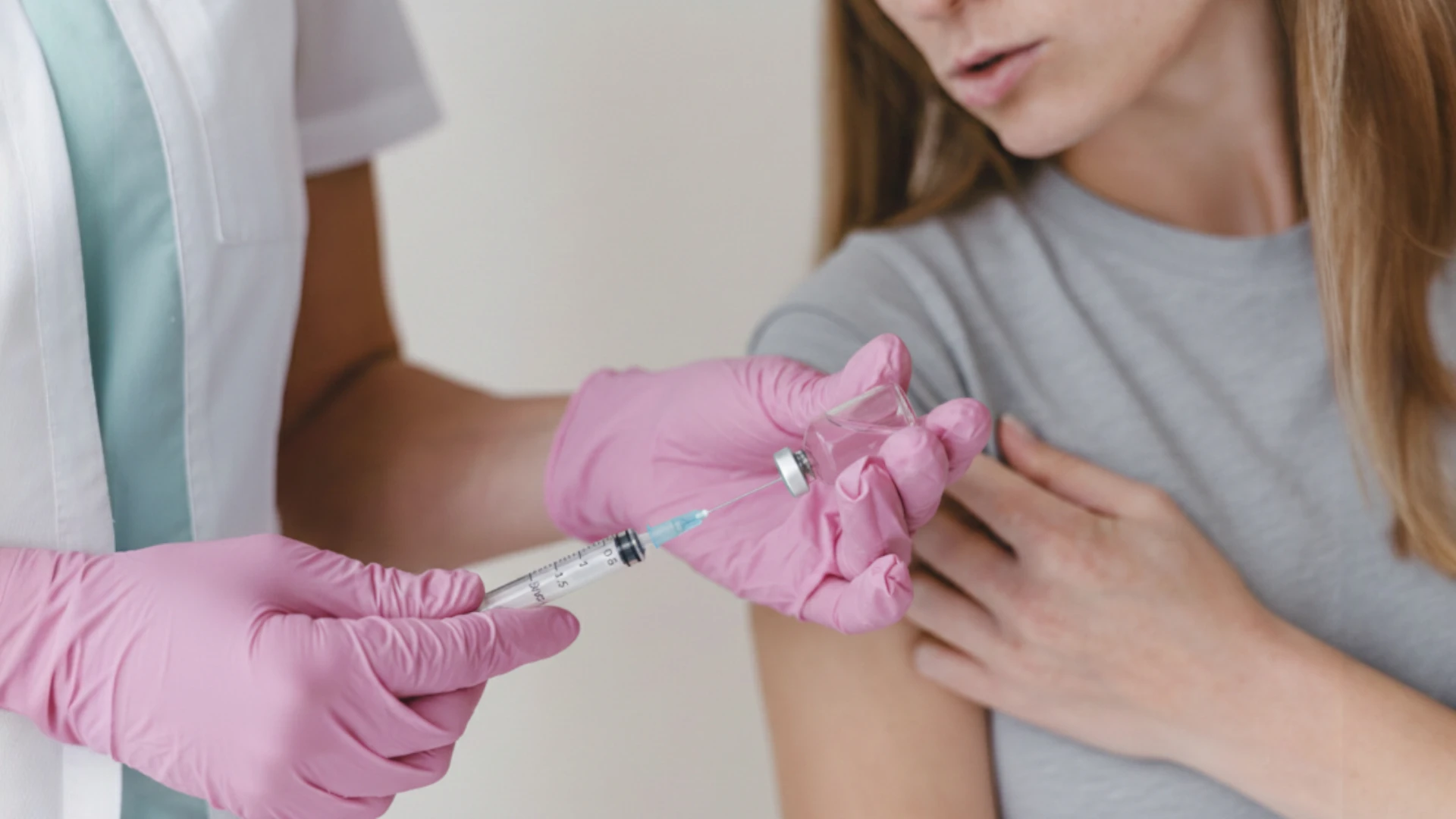
Adolescence is a critically important period for immunization because, over time, protection from some childhood vaccines wanes, and the risk of contracting other infections increases as social interactions expand. Adolescent vaccination aims not only to protect the individual child but also to prevent the spread of dangerous diseases in the community.
This material presents current schedules for regular and catch-up immunizations for children aged 10 to 18, as well as guidelines for clinical exceptions.
Vaccination
Principles of adolescent vaccination
To administer recommended vaccines if the vaccination schedule is incomplete or unknown.
Do not restart the vaccine series or administer additional doses if the recommended intervals have been extended in the previous series.
Note on calculating intervals between vaccines
When determining vaccination timelines for adolescents, the following rules apply:
Interval calculation: 1 month equals 4 weeks (28 days). Intervals of ≥4 months are calculated by calendar months.
Permissible variation: doses administered up to ≤4 days before the minimum recommended age or interval are considered valid (counted).
Invalid doses refer to doses of any vaccine given ≥5 days earlier than the minimum recommended age tare not counted; such doses must be administered again.
Re-administration refers to the next dose after an invalid one, which should be given after a full recommended minimum interval.
Guidelines for adolescent vaccination (aged 10–18) against specific infectious diseases
Influenza
Routine vaccination
For individuals aged 18 and younger: annually 1 dose of any age-appropriate vaccine in season, provided there are no contraindications.
Exceptions
In cases of having close contacts (like caregivers do) with individuals with severe immunosuppression, if vaccination is conducted with live vaccines, the exposed person should avoid contact with vulnerable individuals for 7 days post-vaccination.
Note: egg allergy is not a contraindication for any influenza vaccine.
Human papillomavirus
Routine vaccination at 11-12 years; acceptable starting ages are from 9 years and also from 13 years and above if not previously vaccinated or if they have not completed the full vaccination course. An additional dose is not recommended if the vaccination was conducted with vaccines of any valency, observing minimum intervals.
Routine vaccination
Series of 2 or 3 doses depending on the age at the start of vaccination:
Vaccination starts at 9-14 years: 2 doses with an interval of no less than 5 months.
Vaccination starts at 9-14 years; if 1 dose or 2 doses with an interval of less than 5 months were given, then 1 additional dose.
Vaccination starts at 9-14 years; if 2 doses were given with an interval of no less than 5 months, it means that vaccination is completed, and no additional dose is required.
Vaccination starts at 15-18 years: 3 doses (minimum interval between the first and second doses is 4 weeks, between the second and third doses is 12 weeks, and between the first and third doses is 5 months).
Exceptions:
Primary or secondary immunodeficiencies (reduced number and/or impaired differentiation of B-cells, full or partial defects of T-cells, HIV infection, malignant neoplasms, solid organ transplantation, autoimmune diseases, immunosuppressive therapy): a series of 3 doses, even for those starting vaccination at 9-14 years.
Pregnancy. Pregnancy testing before vaccination is not required. Vaccination is not recommended until the pregnancy outcome. In the case of inadvertent vaccination during pregnancy, medical intervention is not required.
Meningococcal infection
MenB vaccines may be administered concurrently with MenACWY vaccines, preferably in different anatomical body areas. MenABCWY may be administered as an alternative to separate administration of MenACWY and MenB for healthy adolescents aged 16–23, as well as children aged ≥10 with increased risk of disease*.
MenACWY
Vaccines are interchangeable. Doses given before 10 years are not counted in the adolescent vaccination cycle.
Routine vaccination is conducted at 11–18 years: 1 dose + booster at 16 years (minimum interval between doses is 8 weeks). A booster is not required after 16 years if there is no increased risk of disease*.
Exceptions
Dose at 13–15 years: booster at 16–18 years.
A dose at 10 years is valid as the first dose, then a booster at 16 years.
Adolescents with persistently increased disease risk* who received the last dose before 7 years should have the next dose in 3 years, then every 5 years while risk persists.
Adolescents with persistently increased disease risk* who received the last dose at age 7 or older should have the next dose in 5 years, then every 5 years while risk persists.
First-year students living in dormitories who are unvaccinated or partially vaccinated: 1 dose, if no booster at 16 years or if more than 5 years since previous vaccination.
Routine splenectomy: 1 dose, preferably at least 14 days prior to surgery (doses administered within 14 days before surgery also count). If a dose cannot be administered before splenectomy, it should be given after surgery as soon as the patient’s condition stabilizes.
Outbreak of disease caused by a serogroup included in the vaccine;
Residents or travelers to countries endemic for meningococcal infection.
MenB
Vaccines from the same manufacturer should be used for the whole vaccination series, including booster doses. Re-vaccination is indicated for all individuals with increased disease risk** while the risk persists: the first re-vaccination 1 year after completing the primary series; subsequent re-vaccinations should be provided every 2-3 years.
Joint clinical decision-making
Healthy adolescents aged 16–18 should receive 2 doses with an interval of no less than 6 months (if the second dose is given earlier than 6 months, administer the third no less than 4 months after the second).
Exceptions
Routine splenectomy: 1 dose, preferably at least 14 days prior to surgery (doses administered within 14 days before surgery also count). If a dose cannot be administered before splenectomy, it should be given after surgery as soon as the patient’s condition stabilizes.
Age ≥10 years with increased risk of disease**: 3 doses in the series at 0, 1–2, and 6 months.
Outbreak of type B meningococcal infection if more than 6 months have elapsed since the completion of the primary series.
Tetanus, diphtheria, pertussis
Routine vaccination
All adolescents aged 11–12 years: 1 dose of Tdap*, then Td** or Tdap* every 10 years.
The primary vaccination series is completed, and Tdap* was NOT administered at age 10 or older: 1 dose of Tdap*, then Td** or Tdap* every 10 years.
No vaccination or incomplete primary vaccine series: administer remaining doses to complete the 3-dose primary series; the interval between the first and second doses should be no less than 4 weeks, and the third dose should be in 6–12 months (Tdap is preferred as the first dose and may replace any Td dose), then Td or Tdap every 10 years.
Exceptions
Tdap* vaccination for any reason at age 10: Tdap* at 11–12 years is not required.
If Td** is mistakenly administered instead of Tdap**, administer the missing Tdap* dose as soon as possible, even on the same day. There is no need to observe any minimum interval between Td** and Tdap* doses, except when these are given as part of an additional primary tetanus vaccination series.
Pregnancy: 1 dose Tdap* in each pregnancy, preferably at 27–36 weeks gestation, but can be administered at any time during pregnancy.
Explanations:
* Tdap = diphtheria (with reduced antigen content) and tetanus toxoids adsorbed, combined with acellular pertussis component.
Routine vaccination with conjugate vaccine (PCV) is not recommended for healthy children aged 60 months and older. Previously administered doses of PCV13 are valid.
Exceptions
Conditions that increase the risk of pneumococcal infection and warrant additional doses until age 18*.
Whenever possible, vaccination should be conducted at least two weeks prior to planned cochlear implantation and splenectomy.
Indications for use of polysaccharide vaccine (PPSV23) in children under 18: high-risk group for severe disease course due to specific ID or non-ID*, not vaccinated with PCV20.
PCV20 unavailable: PPSV23 no less than 8 weeks after completing PCV vaccination.
Developed IDs, vaccinated with PPSV23: PCV20 or a second dose of PPSV23 in 5 years.
Explanations:
* Immunodeficiencies (IDs):
Kidney disease and dialysis;
Kidney disease with nephrotic syndrome;
Functional or anatomical asplenia;
Congenital or acquired immunodeficiency, including deficiency of B- (humoral) or T-cells; complement system deficiency, especially C1, C2, C3, and C4 deficiency; and phagocytosis disorders (excluding chronic granulomatous disease);
Immunosuppressive therapy or radiation therapy (including treatment of Hodgkin’s disease, acute leukemia, lymphoma, malignant neoplasms);
Chronic kidney disease (except those specified in the immunodeficiency list below);
Chronic liver disease;
Chronic lung diseases (including moderate persistent or severe persistent asthma);
Diabetes mellitus;
Cochlear implant.
Catch-up vaccination
Haemophilus influenzae type b
Routine vaccination is not recommended for healthy adolescents, even if not previously vaccinated.
Exceptions
Anatomical or functional asplenia (including sickle cell anemia): 1 dose if not previously vaccinated.
Routine splenectomy: 1 dose, preferably at least 14 days prior to surgery (doses administered within 14 days before surgery also count). If a dose cannot be administered before splenectomy, it should be given after surgery as soon as the patient’s condition stabilizes.
Hematopoietic stem cell transplantation (HSCT): 3 doses at 4-week intervals, starting 6-12 months after HSCT regardless of prior vaccination history.
Poliomyelitis
If adolescents are unvaccinated or not fully vaccinated: 2 doses of inactivated vaccine with a minimum interval of 4 weeks, with a third dose after a minimum interval of 6 months.
Hepatitis A
If an adolescent under the age of 18 is unvaccinated, 2 doses of vaccine with a minimum interval of 6 months; if vaccinated once, 1 dose.
Measles, mumps, rubella
Routine vaccination
No evidence of immunity to measles, mumps, or rubella*: 2 doses at an interval of at least 4 weeks.
Previously vaccinated with 1 dose: 1 dose.
Explanations:
Pregnancy testing before vaccination is not required. Vaccination is contraindicated during pregnancy. In the case of inadvertent vaccination during pregnancy, medical intervention is not required.
* Evidence of immunity: having medical records confirming vaccination, laboratory evidence of immunity or disease (a disease diagnosis without laboratory confirmation is not proof of immunity).
Varicella
Routine vaccination
If there is no evidence of immunity to varicella*: 2 doses at 4-8 week intervals, if unvaccinated; if vaccinated once, 1 dose.
Exceptions
For HIV-infected patients with CD4 ≥15% and CD4 ≥200 cells/mm3lacking evidence of immunity to varicella: 2 doses at a 3-month interval.
Combined vaccine against measles, mumps, rubella and varicella (MMRV): Priorix-Tetra (GSK) or ProQuad (Merck, for children aged <13).
Explanations:
Pregnancy testing before vaccination is not required. Vaccination is contraindicated during pregnancy. In the case of inadvertent vaccination during pregnancy, medical intervention is not required.
* Evidence of immunity: having medical records confirming vaccination with 2 doses at not less than 4-week intervals, a case of varicella or herpes zoster; or laboratory evidence of immunity to the varicella virus.
Hepatitis B
If an adolescent is unvaccinated, a series of 3 doses with a schedule of 0, 1, and 6 months (minimum interval between first and second doses is 4 weeks, between second and third doses is 8 weeks, between first and third doses is 16 weeks).
Exceptions
Not fully vaccinated. If the schedule is interrupted after the first dose, the second dose should be given as soon as possible with a minimum interval of 8 weeks between the second and third doses. If only the third dose is delayed, it should be administered as soon as possible.
Two-dose regimen (Recombivax HB, 1.0 ml). Ages 11–15, 2 doses at 4–6 month intervals. If vaccination is not completed by the age of 16, 2 additional doses of another vaccine should be administered.
Find more scientifically accurate content on our social media
Subscribe and don’t miss out the latest resources
Additional recommendations
COVID-19
The Nuvaxovid vaccine (Sanofi-Novavax) for the 2025–2026 season is an option for any adolescent aged 12 and older.
Vaccination schedule for the 2025–2026 season (using all doses of Nuvaxovid):
Age of 12–18 without moderate or severe immunodeficiency. 1 dose no less than 8 weeks after the last dose received in the previous season.
Age of 12 and older, moderate or severe immunodeficiency*.
Previously unvaccinated: 2 doses at intervals of at least 3 weeks, the third dose with a minimum interval of 2 months after the second dose.
Previously received the primary course of any COVID-19 vaccine (2 doses of the Novavax subunit protein vaccine or 3 doses of an mRNA vaccine): the first dose no less than 8 weeks after the last vaccination in the previous season, the second dose after a minimum interval of 2 months.
Vaccination is recommended for all children over 6 months of age with moderate or severe immunodeficiency* and at increased risk of severe course of COVID-19** based on joint clinical decision-making with age-appropriate vaccines updated for the current year**. No preference if several vaccines are available.
Unvaccinated: primary course of 3 doses + 1 dose after 6 months.
Started but not completed by 2025–2026 series of 3 doses***: complete the course of 3 doses + 1 dose after 6 months.
If a course of 3 doses was completed, 2 doses at 6-month intervals.
Explanations:
* Moderate or severe immunodeficiency:
Therapy for solid tumors and hematological malignancies.
HIV infection with <200 cells/mm3, AIDS-defining illness in medical history without immune restoration or with clinical manifestations of HIV infection, HIV infection without ART.
*** Vaccination history against COVID-19 includes all doses of a COVID-19 vaccine from any manufacturer received before the commencement of COVID-19 vaccine sales in 2025–2026.
Respiratory syncytial virus
Routine vaccination
Pregnancy from 32 weeks 0 days to 36 weeks 6 days of gestation from September to January (RSV season)*: 1 dose of Abrysvo. Administer the vaccine regardless of previous RSV infection. Vaccination is not recommended for all other pregnant women. No data on whether additional doses are needed in subsequent pregnancies.
Should not be administered on the 37th week of pregnancy and later, as well as less than 2 weeks before the delivery. If gestational age meets the criteria, but there is a likelihood of delivery within 2 weeks, it is advisable to postpone vaccination and plan immunization of the newborn with monoclonal antibodies against RSV.
Explanations:
* Follow recommendations for vaccination timing considering RSV seasonality in your region.
Dengue fever
Routine vaccination at the age of 9–16 with laboratory-confirmed prior infection, residing in dengue-endemic areas: 3 doses of Dengvaxia with a schedule of 0, 6, and 12 months (significant protection is achieved after the first dose).
Summary table of vaccination precautions and contraindications
Vaccine
Contraindication (additional)*
Precautions (additional)**
Influenza
For inactivated egg-based vaccines: severe allergic reaction to any previous dose of any vaccine or its component (except eggs)
For live vaccine: – Severe allergic reaction to a vaccine component (except eggs) or to any previous dose of any vaccine; – Aspirin or salicylate therapy; – Immunodeficiency condition (any); – Cerebrospinal fluid leak or cochlear implant; – Close contact (caregivers) with people with severe immunodeficiency; – Pregnancy; – Oseltamivir or zanamivir therapy in the previous 48 hours, peramivir in the previous 5 days or baloxavir in the previous 17 days
For any vaccines – Guillain-Barré syndrome occurring within 6 weeks after any previous dose
For cell-based vaccines (cell culture-based inactivated influenza vaccine, ccIIV): severe allergic reaction to any previous dose of any other vaccine (egg-based, recombinant, or live attenuated)
For the recombinant vaccine: severe allergic reaction to a previous dose of any other vaccine (egg-based vaccines, inactivated or live attenuated)
For live vaccine: – Asthma; – Comorbidities predisposing to complications post-infection: chronic diseases of the lungs, cardiovascular system (excluding isolated hypertension), kidneys, liver, nervous system, hematological or metabolic disorders (including diabetes mellitus)
Human papillomavirus
Pregnancy
Measles, mumps, rubella
– Severe immunodeficiency (oncohematological diseases, solid tumors, chemotherapy, congenital immunodeficiency, HIV infection with CD4 <200 cells/mm3, prolonged immunosuppressive therapy); – Pregnancy; – Family history of immune competence disorders (if not clinically or laboratory confirmed as a sign of immune competence)
– ≤11 months from a transfusion of blood components containing antibodies (specific timings depend on the preparation); – Thrombocytopenia or thrombocytopenic purpura; – Need for a tuberculin skin test or interferon-gamma release assay (IGRA)
Meningococcal B
Pregnancy
Dengue fever
Severe immunodeficiency or immunosuppression caused by an underlying condition or therapy, including symptomatic HIV infection or CD4+ <200 cells/mm3
HIV infection, not meeting the criteria for contraindications
Tetanus, diphtheria, pertussis
For DTaP and Tdap: encephalopathy within 7 days of administration of a previous dose of the tetanus, diphtheria, and tetanus vaccine, not associated with any other reason
– Guillain-Barré syndrome within 6 weeks of a previous dose of a vaccine containing tetanus toxoid; – Arthus hypersensitivity reaction following a previous dose of a vaccine containing diphtheria or tetanus toxoid (postpone vaccination for at least 10 years from the last tetanus toxoid vaccine administration)
For DTaP and Tdap, progressive or unstable neurological disorders (uncontrolled seizures, progressive encephalopathy): postpone vaccination until treatment is initiated and the patient’s condition is stabilized.
Varicella
– Severe immunodeficiency (oncohematological diseases, solid tumors, chemotherapy, congenital immunodeficiency, prolonged immunosuppressive therapy, HIV infection with CD4 <200 cells/mm3); – Pregnancy; – Family history of altered immune competence in first-degree relatives (if the vaccinated individual’s immune competence is not clinically or laboratory confirmed)
– ≤11 months from a transfusion of blood components containing antibodies (specific timings depend on the preparation); – Therapy with acyclovir, famciclovir, or valacyclovir 24 hours before vaccination (avoid use for 14 days post-vaccination); – Therapy with aspirin or aspirin-containing medication
Explanations:
* Contraindication for all vaccines: severe allergic reaction (anaphylaxis) to a previous dose or to vaccine components. Vaccines SHOULD NOT be administered if contraindications are present.
** Precautions: moderate or severe acute illness with normal or elevated body temperature. Vaccination should generally be postponed if precautions are present but may be indicated if the vaccination benefit outweighs potential risks.
FAQ
1. Can adolescents be vaccinated against diphtheria and tetanus with any vaccine?
Adolescents are given vaccines with reduced antigen content (labeled as Td), which protect only against diphtheria and tetanus, or modern combination vaccines with an acellular pertussis component (Tdap) if it is necessary to restore immunity against pertussis. Vaccines used in childhood cause severe local reactions in older individuals; hence, they are not recommended for use in children older than 6 years.
2. Can a vaccine be given to an adolescent in the arm instead of under the scapula?
The “under the scapula” injection technique refers to subcutaneous administration and is not applicable for vaccines containing adjuvants, including vaccines against diphtheria, tetanus, and pertussis. This is due to a higher risk of local adverse reactions and the degree of their severity, as well as the likelihood of a reduced (suboptimal) immune response to the vaccine due to a breach in vaccination technique. Subcutaneous administration in the infrascapular region has not been used in developed countries, and based on the 2024 directive in the instructions for Russian vaccines, this administration site will gradually be officially excluded. The deltoid muscle of the arm is the optimal site for vaccine administration in adolescents and adults.
3. What are the most common side effects possible after vaccination in adolescents?
Adverse effects are most often local and include pain, redness, or swelling at the injection site, which resolve on their own within a few days. It is important to remember that adolescents in this age group are prone to fainting in response to an injection, so it is advisable to offer them to lie down for 15 minutes under observation post-procedure; the vaccine itself can be administered while lying down.
References
1.
VOKA 3D Anatomy & Pathology – Complete Anatomy and Pathology 3D Atlas [Internet]. VOKA 3D Anatomy & Pathology.
Available from: https://catalog.voka.io/
2.
Site Index [Internet]. Vaccines & Immunizations.
Available from: https://www.cdc.gov/vaccines/site.html#hcp.
3.
Immunize.org. Ask the experts: View all questions | Immunize.org [Internet]. Immunize.org. 2026.
Available from: https://www.immunize.org/ask-experts/.
4.
General best practices for immunization [Internet]. Vaccines & Immunizations. 2024.
Available from: https://www.cdc.gov/vaccines/hcp/imz-best-practices/index.html.
5.
Vaccines by age [Internet]. Vaccines & Immunizations. 2025.
Available from: https://www.cdc.gov/vaccines/by-age/index.html.